
ENGLISH VERSION BELOW
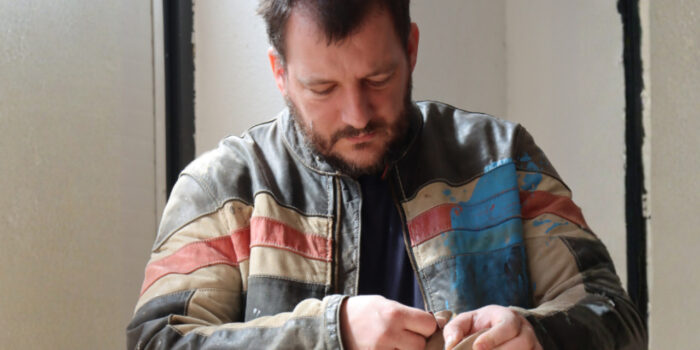
Desde Serbia, Dejan Zdravkovic desarrolla esculturas únicas, hechas a mano, que combinan técnica, oficio y una mirada enfocada en el detalle y el carácter de cada pieza, especialmente caballos, intentando reflejar la fuerza y la identidad del animal en cada obra.
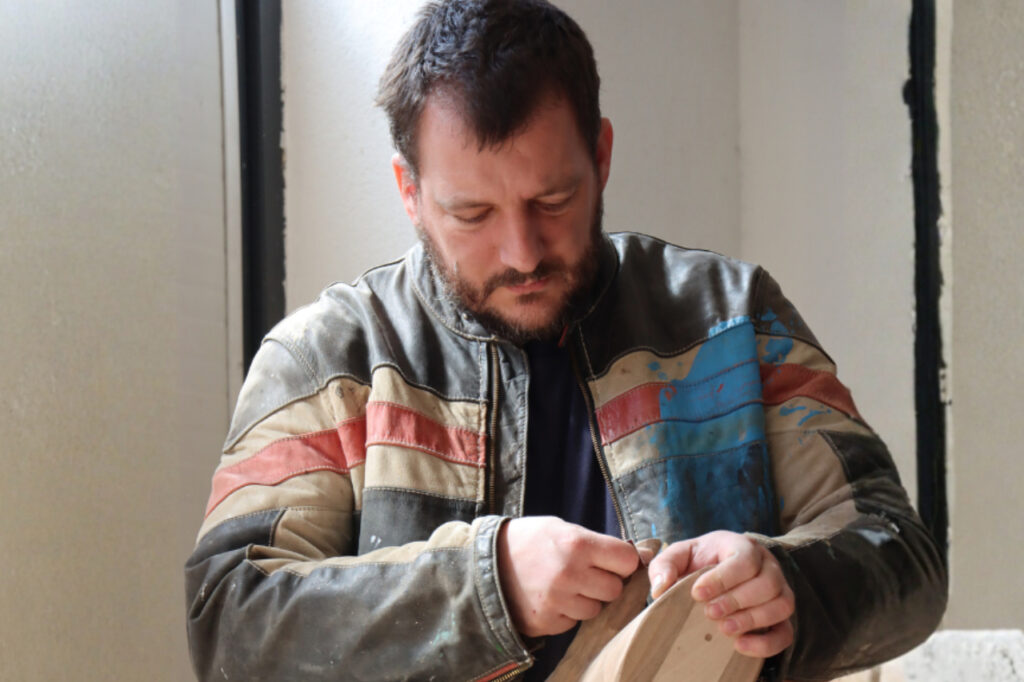
Nacido en 1987 y con formación en bellas artes, Zdravkovic es el fundador de Dejan-Art, un estudio dedicado a la producción de obras originales y trabajos por encargo. Su proceso comienza con la madera en bruto, y cada escultura se construye de manera individual y única, garantizando piezas irrepetibles. Los animales, y especialmente los caballos, tienen un rol protagónico y funcionan como inspiración de formas y expresión.
Conversamos con él sobre su recorrido artístico profesional, las dificultades y desafíos del día a día, y experiencias que lo hicieron crecer en su arte.
Contanos sobre tu camino hacia el arte. ¿Cuándo te diste cuenta de que la escultura era tu vocación? ¿Creés que tus experiencias profesionales anteriores moldearon al artista que sos hoy?
Hago esto desde que tengo memoria. Todavía recuerdo la primera vez que vi a alguien dibujar, fue mi tío. Dibujó un camión en una hoja de papel y, en ese momento, sentí que yo también quería hacer lo mismo. Ese deseo se quedó conmigo hasta el día de hoy.
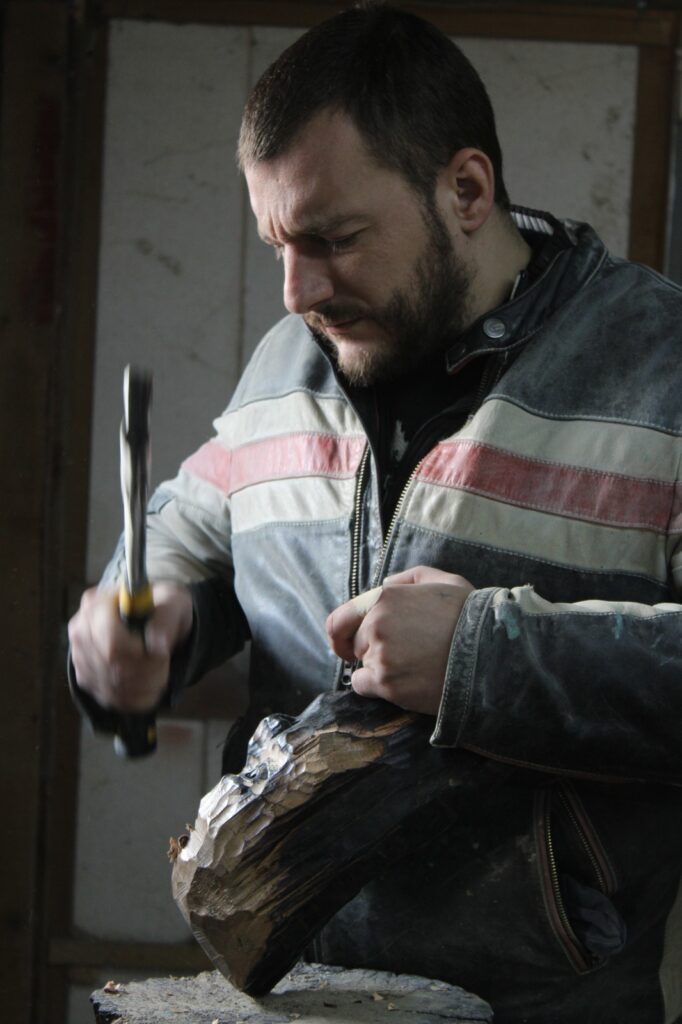
El dibujo siempre me interesó más que cualquier otra cosa, pero la escultura llegó un poco más tarde, casi de forma natural. Crecí al lado de mi abuelo en su taller de carpintería, y de alguna manera el olor de la madera se me metió bajo la piel. En algún punto, todo se unió y se transformó en lo que hago hoy. Mi experiencia con distintos oficios, talleres y herramientas me ayudó muchísimo. Gracias a eso, rara vez tengo dificultades con los materiales o las herramientas cuando quiero crear algo.
Mirando hacia atrás, ¿qué considerás tu logro más significativo como escultor hasta ahora?
No estoy seguro de señalar algo específico. Quizá el primer cuervo que hice o el primer caballo; probablemente esas fueron las piezas más difíciles al comienzo. Después de eso, todo empezó a fluir de manera natural. Hice muchas esculturas que me gustan, pero no las pienso como grandes logros. Para mí, el mayor logro es que esto se haya convertido en mi profesión. Trabajo junto a mi esposa y vivimos de esto.
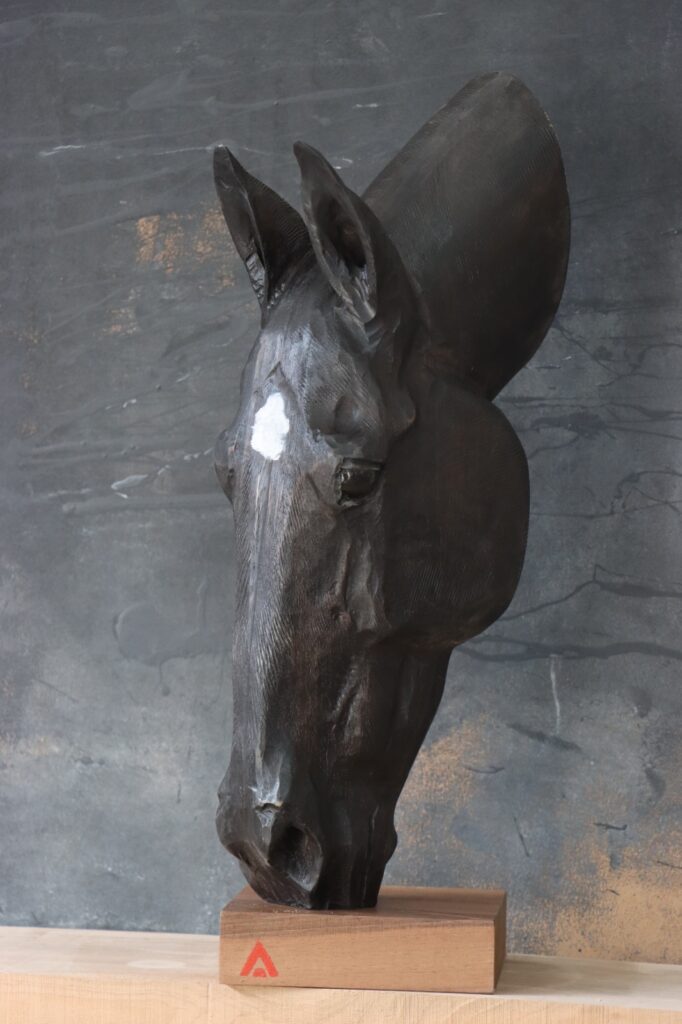
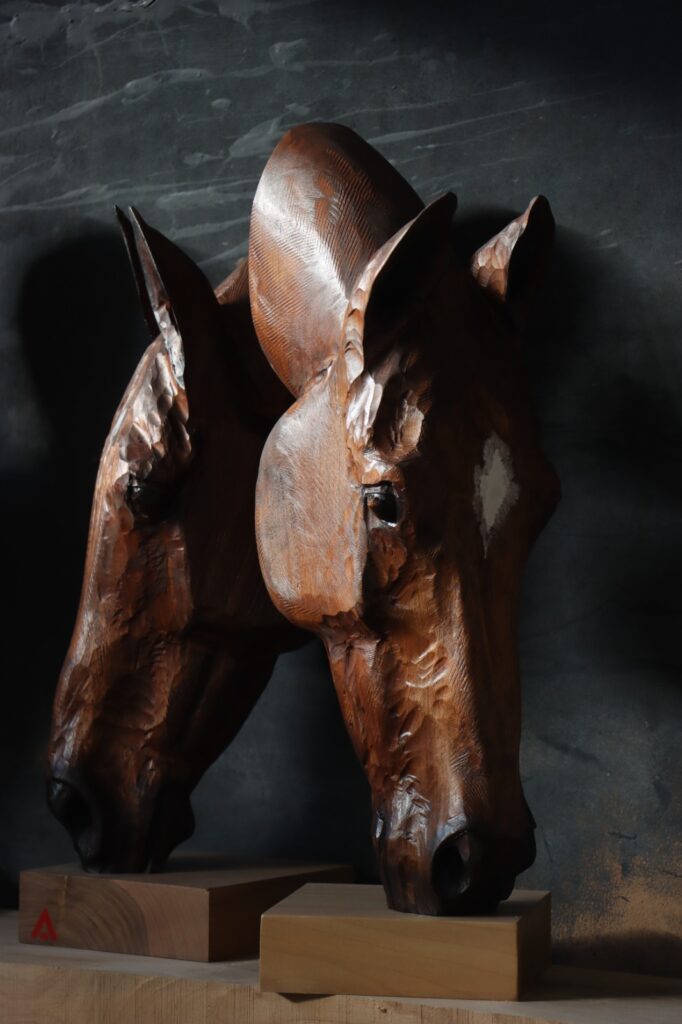
Muchas de tus obras surgen de un bloque de madera en bruto. Cuando tenés total libertad creativa, ¿visualizás la pieza final desde el inicio o dejás que el material te lleve hacia lo que quiere convertirse?
Cuando son esculturas por encargo, suelo tener una visión clara de cómo debería verse la pieza. La gente suele pedir retratos, y esos tienen que ser precisos. Pero cuando hago esculturas originales para mí, es completamente distinto; muchas veces empiezo sin una idea clara. Esas esculturas son como un momento; un reflejo de mi estado de ánimo o de una parte de mi personalidad en ese instante. Sin embargo lamentablemente, rara vez tengo suficiente tiempo para ese tipo de piezas, y por lo general me las quedo.
Retratar animales requiere una gran comprensión de su anatomía y su espíritu, ¿cuál es la parte más desafiante del tu proceso?
Tengo algunos conocimientos básicos de anatomía. Fui a una escuela secundaria agraria, así que los animales siempre estuvieron cerca mío.
Esculpir animales puede ser muy desafiante; no se trata solo de la anatomía, sino también de capturar su carácter y personalidad. En cierto sentido, incluso puede ser más difícil que esculpir personas. Las personas tienen pelo, barba y muchos rasgos visuales que las hacen más fáciles de distinguir, mientras que los animales pueden ser mucho más sutiles. Otro desafío es asegurarse de que la escultura no parezca un jugueteodo lo que creo tiene que tener también un valor artístico.
El caballo es una figura recurrente en tu obra. ¿Qué te atrae de este animal y qué simboliza para vos?
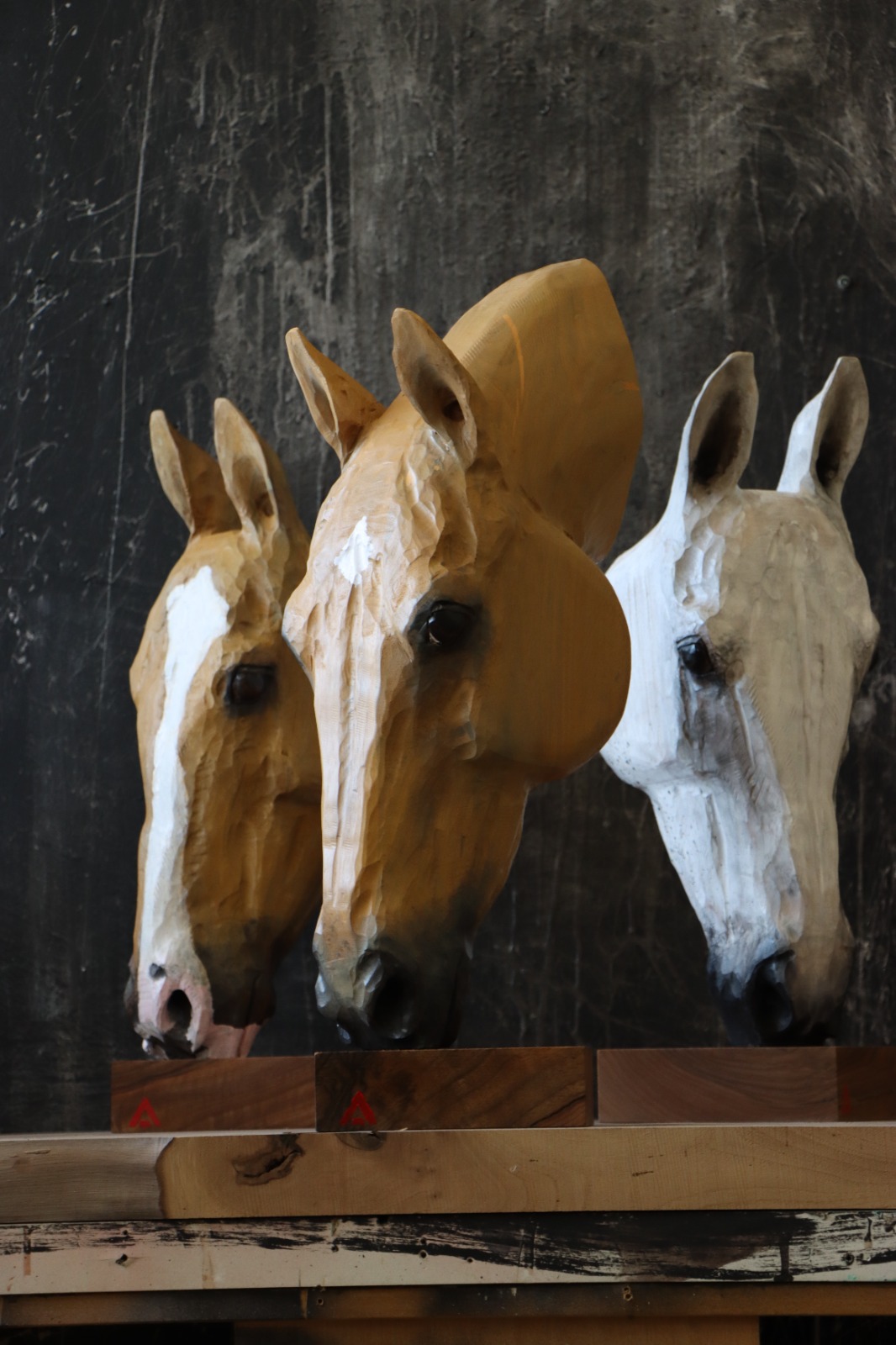
Sí, me encantan los caballos. Me fascina su anatomía. Tienen una combinación increíble de fuerza, elegancia y movimiento. Para un escultor, ese equilibrio entre potencia y gracia es muy inspirador, pero también muy difícil de capturar en la madera. Al mismo tiempo, los caballos tienen una presencia y un carácter muy fuertes.
Cuando trabajo en una escultura de un caballo, no pienso solo en su forma, sino también en su espíritu y su temperamento. Para mí, el caballo representa libertad, fuerza y dignidad, e intento llevar algo de ese sentimiento a cada pieza que creo.
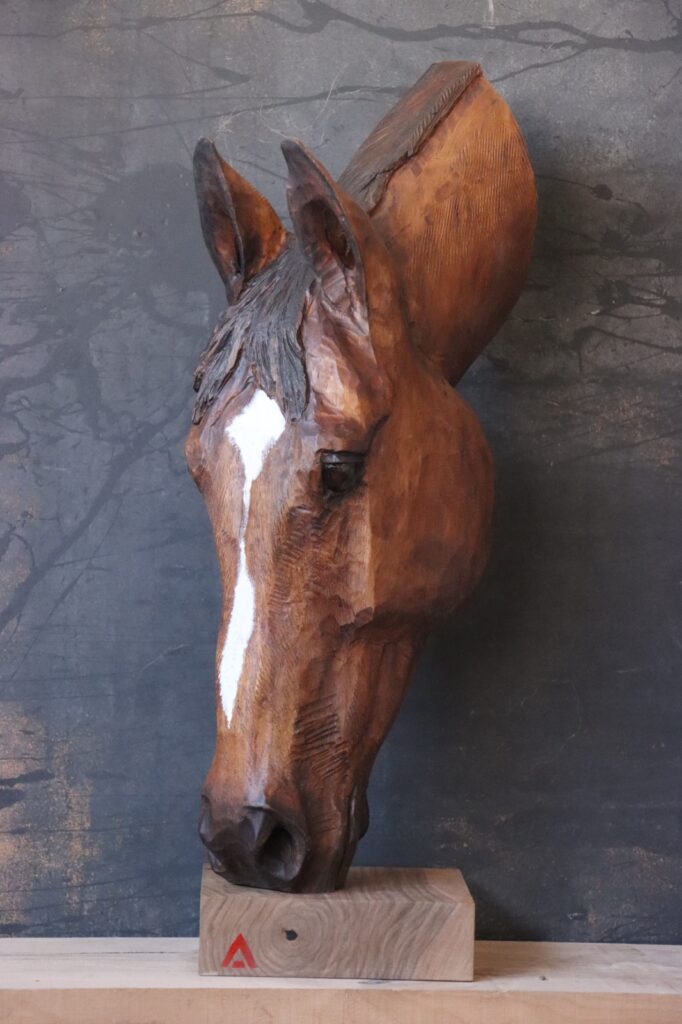
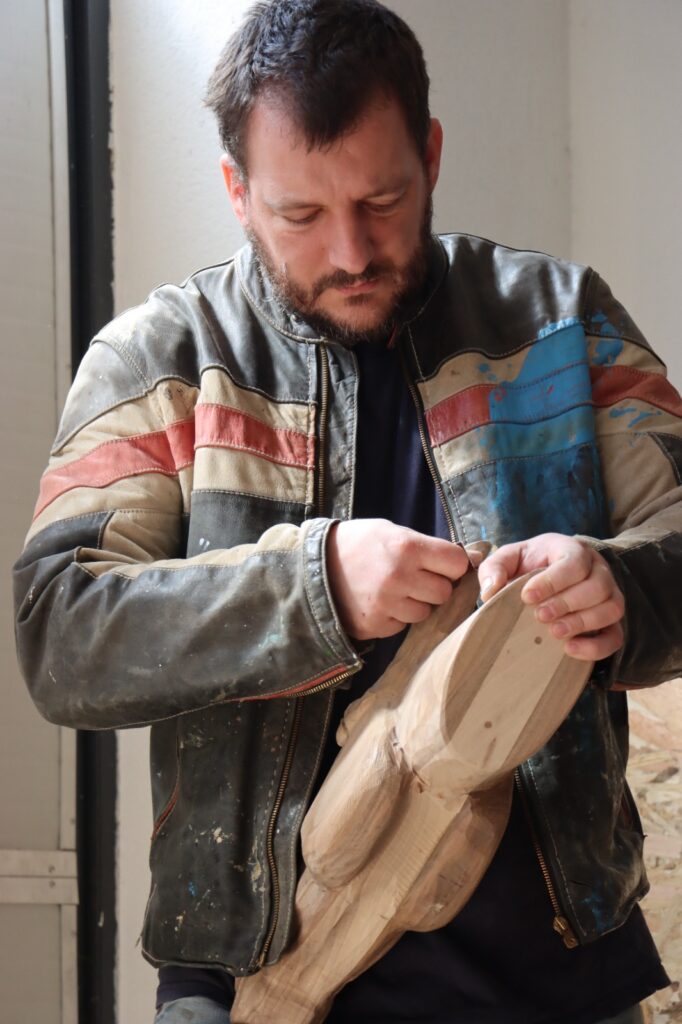
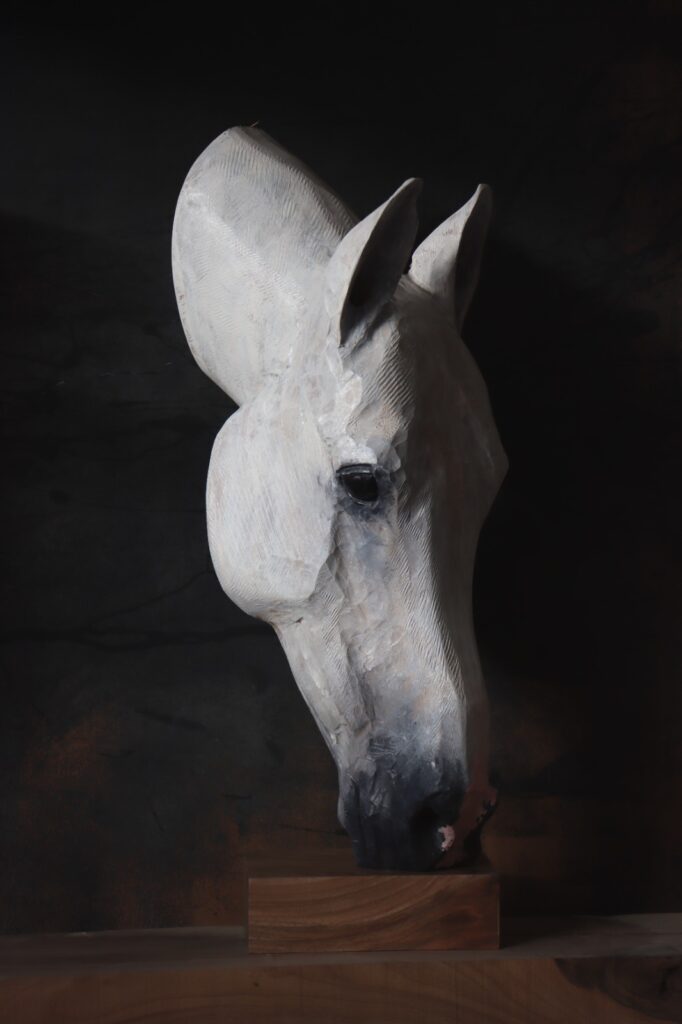
Tus caballos transmiten una intensidad casi humana en la mirada. ¿Cómo lográs capturar esa fuerza interior?
Tal vez sea porque no los veo simplemente como animales. Veo algo más en ellos, algo más cercano a nosotros. Cuando trabajo en un caballo, intento entender su carácter, su temperamento, la fuerza silenciosa que lleva dentro. Los ojos son siempre la parte más importante. A través de ellos intento darle a la escultura una sensación de presencia y de vida. Si la mirada se siente real, toda la escultura empieza a cobrar vida. Esa fuerza interior intento expresarla no solo a través de los ojos, sino también mediante la postura y la tensión de la forma.
¿Alguna vez recibiste un encargo que haya puesto a prueba tus límites, creativa o técnicamente?
No realmente, al menos por ahora. La escultura en sí es lo que me impulsa. Cuanto mayor es el desafío, más me atrae. Disfruto trabajar en cosas que a primera vista parecen técnicamente imposibles. Me gusta encontrar soluciones en situaciones en las que muchas personas simplemente se rendirían.
Instagram: @dejan.art.sculptor
ENGLISH VERSION
Dejan Zdravkovic and the challenge of sculpting the identity of the horse
From Serbia, Dejan Zdravkovic creates unique, handmade sculptures that combine technique, craftsmanship, and a strong focus on detail and character in each piece, especially horses, seeking to reflect the strength and identity of the animal in every work.
Born in 1987 and formed in arts, Zdravkovic is the founder of Dejan-Art, a studio dedicated to the production of original works and commissioned pieces. His process begins with raw wood, and each sculpture is built individually, resulting in truly unique pieces. Animals, especially horses, play a central role in his work, serving as a source of inspiration for form and expression.
We spoke with him about his professional artistic journey, the daily challenges he faces, and the experiences that have shaped his growth as an artist.
Tell us about your journey into art. When did you realize that sculpture was your true calling? Did the experiences from your earlier professional stages shape the artist you are today?
I have been doing this for as long as I can remember. I still remember the first time I saw someone drawing – it was my uncle. He drew a truck on a piece of paper, and at that moment I felt that I wanted to do the same. That desire has stayed with me to this day. Drawing always interested me more than anything else, while sculpture came a bit later, almost naturally. I grew up next to my grandfather in his woodworking workshop, and somehow the smell of wood got under my skin. At some point everything simply came together and turned into what I do today. My experience with different crafts, workshops, and tools has helped me a lot. Because of that, I rarely struggle with materials or tools when I want to create something.
Looking back, what do you consider your most significant achievement as a sculptor so far?
I’m not sure I would point to anything specific. Maybe the first raven I made, or the first horse – those were probably the most difficult pieces at the beginning. After that, everything somehow started to flow more naturally. I’ve made many sculptures that I like, but I don’t really think of them as great achievements. For me, the biggest achievement is that this has become my profession. My wife and I work together, and we make our living from this.
Many of your pieces begin with a raw block of wood. When you are given complete creative freedom, do you envision the final form from the start, or do you allow the material itself to guide you toward what it wants to become?
When it comes to commissioned sculptures, I usually have a clear vision of how the sculpture should look. People often order portraits, and those have to be accurate. But when I make original sculptures for myself, it’s a completely different story. In those cases I often start without a clear idea at all. Those sculptures are more like a moment – a reflection of my mood or a part of my personality at that time. Unfortunately, I rarely have enough time for such pieces, and I usually keep them for myself.
Sculpting animals requires a deep understanding of anatomy and spirit. What is the most technically or emotionally challenging part of your process?
I do have some basic knowledge of anatomy. I attended an agricultural high school, so animals have always been close to me.
Yes, sculpting animals can be very challenging. It’s not only about anatomy, but also about capturing their character and temperament. In some ways it can even be harder than sculpting people. People have hair, beards, and many visual features that make them easier to distinguish, while animals can be much more subtle. Another challenge is making sure the sculpture doesn’t look like a toy – everything I create has to carry artistic value as well.
The horse is a recurring figure in your body of work. What draws you to this animal, and what does it symbolize for you?
Yes, I love horses. I’m fascinated by their anatomy. They have an incredible combination of strength, elegance, and movement. For a sculptor, that balance between power and grace is very inspiring, but also very challenging to capture in wood. At the same time, horses have a strong presence and character. When I work on a horse sculpture, I’m not only thinking about its form, but also about its spirit and temperament. For me, the horse represents freedom, strength, and dignity, and I try to bring some of that feeling into each piece I create.
Your horses often carry an almost human intensity in their gaze. How do you succeed in capturing that inner strength?
Maybe it’s because I don’t really see them simply as animals. I see something more in them, something closer to us. When I work on a horse, I try to understand its character, its temperament, the quiet strength it carries. The eyes are always the most important part. Through them I try to give the sculpture a sense of presence and life. If the gaze feels real, the whole sculpture begins to feel alive. That inner strength is something I try to express not only through the eyes, but also through the posture and tension of the form.
Have you ever received a commission that truly pushed your limits, creatively or technically?
Not really, at least not so far. Sculpting itself is what drives me. The bigger the challenge, the more it attracts me. I enjoy working on things that at first glance seem technically impossible. I like finding solutions in situations where many people would simply give up.
You share much of your creative process on social media. Do you believe that allowing audiences to witness the making of a sculpture creates a deeper connection with the final piece?
The idea of filming the process actually happened quite naturally. At the time my girlfriend, and now my wife, Anđelka started recording while I was working on a sculpture. We added some nice music, and the video received very positive reactions. After that we started doing it more often. We wanted people to see us, our workspace, and to feel that we are close to them. This actually started during the pandemic, when everyone was confined to their own small spaces, and we wanted to bring people a little closer to what we do. I believe that watching the process really makes people feel like part of it. Many people who bought our sculptures also keep the videos showing how they were made. They often say that because of that the sculpture feels even closer and more meaningful to them.
