
ENGLISH VERSION BELOW
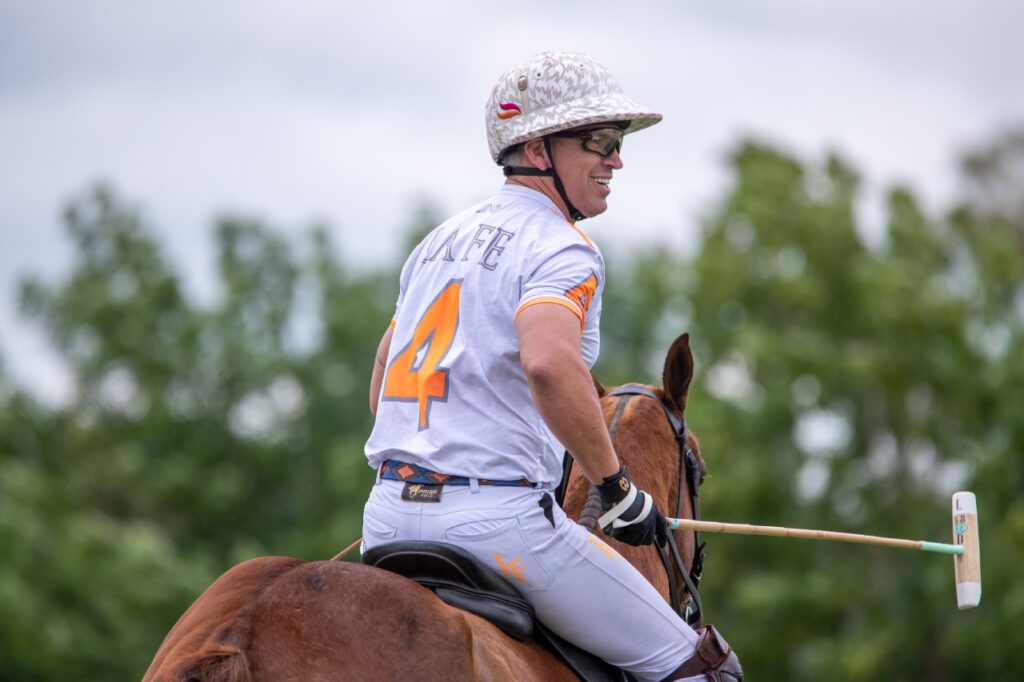
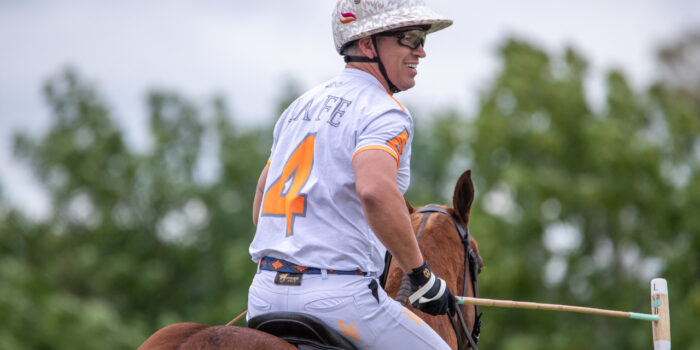
La Fe iniciará el 2026 apostando por la temporada argentina. La organización comenzará el año compitiendo en el país, con una planificación que combina decisiones deportivas, logísticas y económicas.
El equipo dirá presente en la Copa Belgrano en Coronel Suárez; el Circuito Clasificatorio para la Copa República —y la Copa República en caso de clasificar—; las competencias de 20 y 24 goles de hándicap de la AAP en marzo y abril; la Copa Barrantes y la Copa 25 de Mayo en Trenque Lauquen, además de la Copa Día de la Bandera en Rosario. Esta planificación tendrá una pausa en el mes de abril, cuando La Fe regrese a Estados Unidos para disputar el U.S. Open Polo Championship, que comienza el 1° de abril y se extiende hasta fines del mismo mes.
Conversamos con Louis Devaleix, quien explicó a PrensaPolo las razones detrás de la elección, el valor del polo argentino y cómo esta decisión es clave en el desarrollo de la organización.
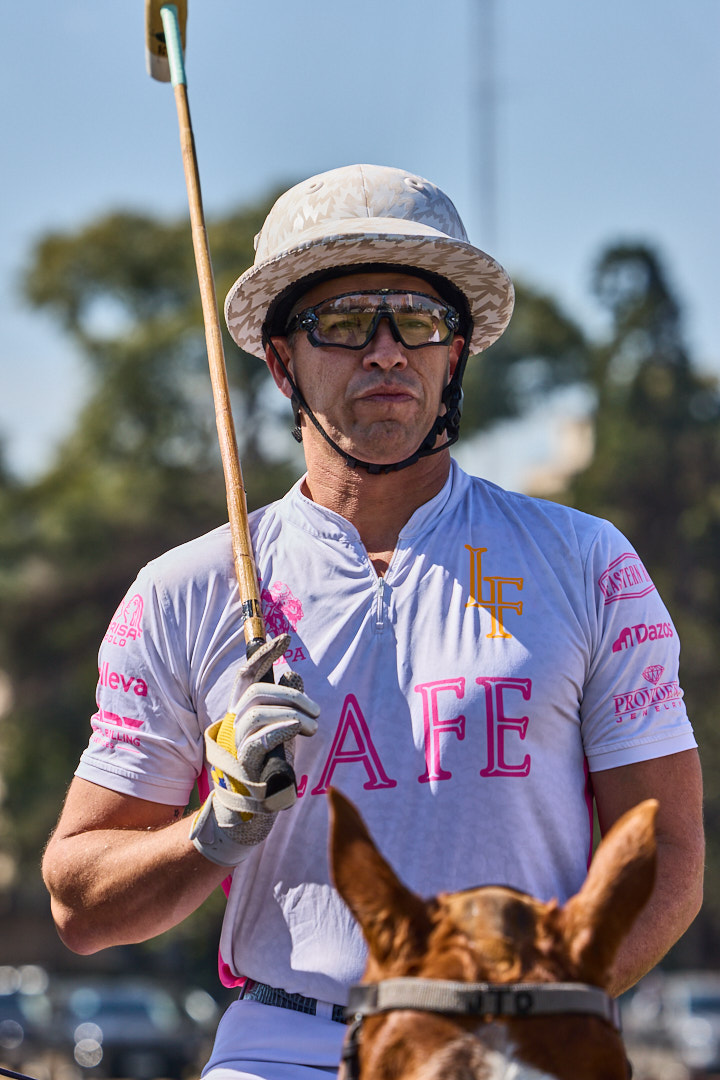
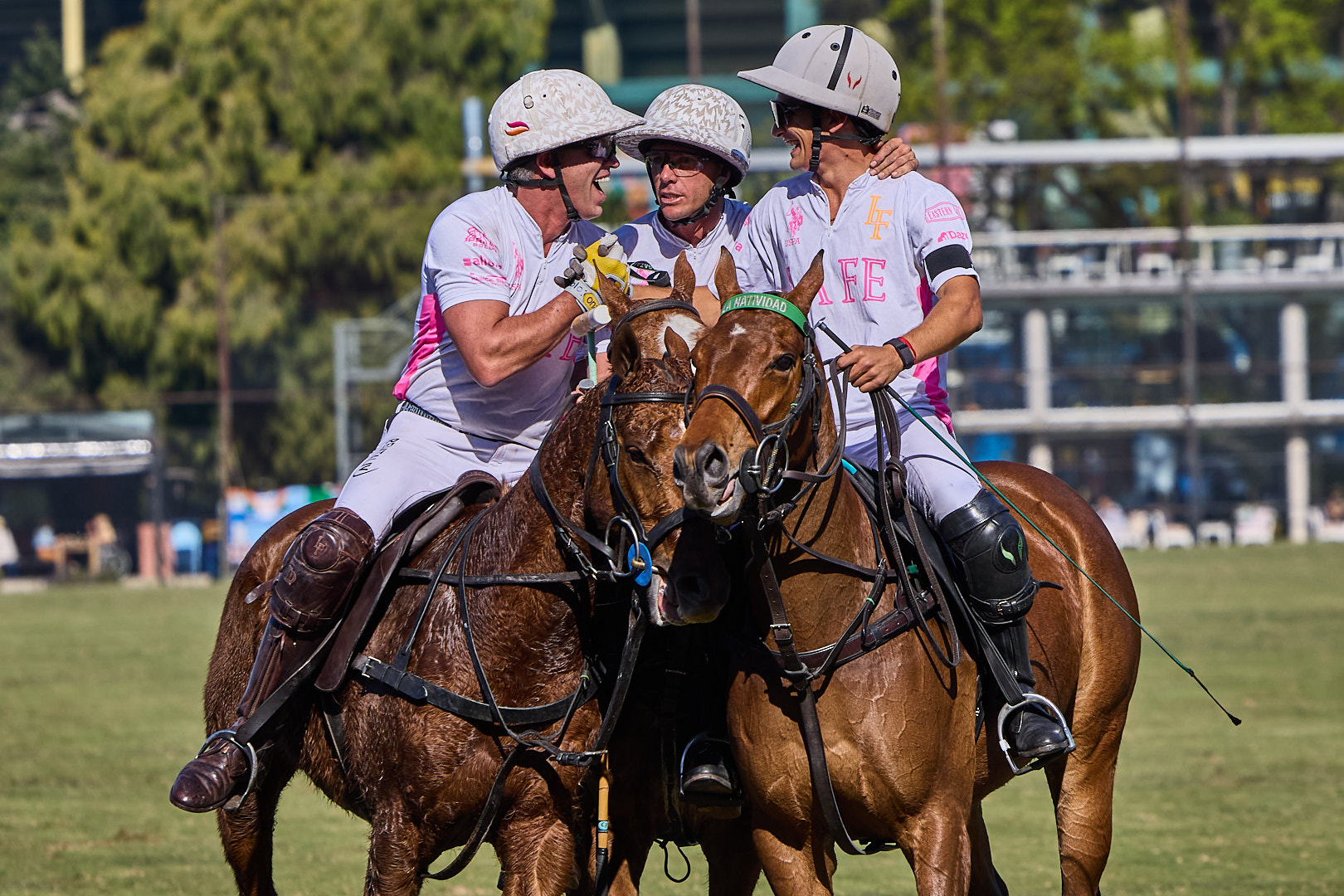
¿Por qué decidiste saltearte la temporada estadounidense, más allá del US Open, y enfocarte en la temporada corta argentina?
Decidimos jugar en Argentina por varias razones. La primera es que Argentina es mucho más rentable que Estados Unidos, y Robi (Bilbao) y yo queríamos destinar los recursos financieros a conseguir mejores caballos, porque es muy, muy difícil competir tanto en Argentina como en Estados Unidos contra equipos como los de Cambiaso, Pilot o La Dolfina. Están extremadamente bien montados. En segundo lugar, y lo más importante, el polo en Argentina es simplemente mucho mejor.
¿Fue una decisión deportiva, logística, económica o una combinación de las tres?
Sí, es una decisión deportiva, logística y económica. Es una combinación de las tres cosas.
¿Qué tan importante es para vos jugar y competir en Argentina en esta época del año?
Para mí es realmente muy importante competir en Argentina este año, porque allá estoy en tres goles de hándicap y, si tenemos una muy buena temporada en Suárez, Pilar, Trenque Lauquen y Rosario, con suerte podría subir a cuatro goles, lo que me permitiría intentar clasificar a la Cámara.
¿Sentís que Argentina te permite disfrutar, competir y aprender polo de una mejor manera?
Sí. El polo en Argentina es mucho mejor y todo es mucho más rápido. Además, la responsabilidad que Robi me da es mucho mayor que en Estados Unidos. Por eso, tanto Robi como yo sentimos que, en lo que respecta a mi polo, mejoro mucho más jugando en Argentina. Ese fue otro de los principales factores para decidir jugar allá en lugar de hacerlo en Estados Unidos.
¿Qué ofrece la temporada corta argentina que no encontrás en otros circuitos?
Es igual de importante. Mucha gente la llama la “temporada chica” o “mini temporada”, pero no tiene nada de chica. Va desde mediados de febrero hasta mediados de junio, y vamos a jugar en Suárez, Pilar, Trenque Lauquen y Rosario, 24 goles con Bauti Bayugar, Juan Jauretche y Robi, y después las otras 24 goles con Toly, Juan Jauretche y Robi. El 20 goles vamos a jugar con Juan Jauretche, Robi y su hermano.
Además, vamos a jugar también los torneos de menor hándicap. Así que, en general, es mucho más polo del que jugaríamos acá en Estados Unidos, lo cual es muy emocionante para toda la organización.
¿Qué aprendiste de tus años anteriores jugando en Argentina?
De años anteriores jugando en Argentina, lo que aprendí es que hay que anticipar mucho más la jugada. Tenés que estar extremadamente enfocado en lo que está pasando en el partido y, más específicamente, es un juego mucho más de hombre a hombre.
Entonces, ya sea que esté jugando en ataque, tengo que asegurarme de superar a mi marcador para ser opción de pase; y si la jugada se da vuelta, tengo que asegurarme de marcar y superar al jugador que estoy defendiendo lo antes posible, porque si no, hay una alta probabilidad de que el equipo rival convierta un gol, simplemente por el enorme talento que tienen los jugadores allá.
En términos logísticos, Argentina ofrece muchas menos limitaciones, especialmente en lo que respecta a los caballos. ¿Esto beneficia a La Fe como cría?
Hay ciertas limitaciones cuando se trata de los caballos. Robi y yo tenemos 49 caballos en este momento para esta temporada. Vamos a estar jugando quizá dos torneos el mismo día, y si no, entonces estaremos haciendo dos prácticas de seis chukkers seguidas en la misma jornada.
Así que tener la flexibilidad de poder jugar con nuestra mejor caballada es una experiencia realmente increíble. Y después, también poder jugar con los caballos más jóvenes de la cría de Robi, los de cinco y seis años, y ver qué tienen para ofrecer, es algo que realmente estoy esperando con muchas ganas.
ENGLISH VERSION
La Fe’s decision to play Argentina’s small season: Louis Devaleix’s view
La Fe will begin its 2026 campaign by competing in Argentina, opening the year with a calendar that reflects a strategic combination of sporting, logistical and economic considerations.
The organization will take part in several key tournaments on the Argentine polo circuit before returning to the United States in April to compete in the U.S. Open Polo Championship, which begins on April 1st and runs through the end of the month.
In an interview with Prensa Polo, Louis Devaleix shared the reasons behind this decision, highlighted the value of Argentine polo, and explained how this stage plays an important role in the development of the organization.
Why did you decide to skip the American season, beyond the US Open, and focus on the Argentine short season?
So we decided to play in Argentina for a variety of reasons. First, Argentina is far more cost-effective than the United States, and Robby and I wanted to allocate our financial resources, both last year and this year, toward renewing our string of horses. The goal was to improve our horsepower because it is very difficult to compete in Argentina — and especially in the U.S. — against teams like Pilot or La Dolfina. They are just so well mounted.
Was it a sporting, logistical, economic decision, or a combination of all three?
Yes, it is a sporting, logistical and economic decision. It is a combination of all three, and that is one of the main reasons why we chose to play there.
How important is it for you to play and compete in Argentina at this time of year?
It is really important for me to compete in Argentina this year. I am currently three goals there, so if we have a really good season in Suárez, Pilar, Trenque Lauquen and Rosario, hopefully I can raise my handicap to four, which would allow me to try to qualify for Cámara.
Do you feel that the Argentina allows you to enjoy and learn polo in a better way?
The polo in Argentina is a lot better, everything is a lot quicker. And the responsibility that Robi gives me when we are playing against other teams is far greater than in the U.S.. Both Robby and I feel that, when it comes to my polo, I get a lot better playing in Argentina. That was one of the main factors for us to decide to play there instead of the United States.
What does the Argentine short season offer that you don’t find in other circuits?
Equally important, playing in Argentina. I know people call it the “small season” or the “mini season,” but there is really nothing small about it. It runs from mid-February until mid-June, and we will be playing in Suárez, Pilar, Trenque Lauquen and Rosario 24-goal tournaments with Bauti Bayugar, Juan Jauretche and Robi, and then the other 24-goal tournaments with Toly, Juan Jauretche and Robi. The 20-goal will be played with Juan Jauretche, Robi and his brother.
We will also be playing the lower-goal events. Overall, it is a lot more polo than we would play here in the United States, which is very exciting for the organization.
What did you learn from your previous years playing in Argentina?
From playing in Argentina in previous years, what I learned is that you have to anticipate the play much more, so you need to be laser-focused on what is happening in the game. More specifically, it is much more of a man-to-man type of strategy. Whether I am playing offense, I have to make sure I beat my man so I can be an option for a pass. Then, if the play turns, I have to make sure I beat the player I am marking sooner rather than later; otherwise, there is a high likelihood that the opposing team will score a goal, simply because the players there have so much talent.
In terms of logistics, Argentina offers far fewer limitations, for example, in terms of horse logistics. Is this something that benefits La Fe as a breeding farm?
In terms of logistics, there are certain limitations when it comes to the horses. Robi and I currently have 49 horses for this upcoming season. Sometimes we will be playing two tournaments on the same day, and if we are not playing one or two tournaments in the same day, then we will be doing two six-chukker practices on the same day.
Having the flexibility to play our best string of horses is a really, really cool experience. And being able to play the younger horses from the breeding program — the five- and six-year-old horses — and see what they have to offer is something I am really looking forward to.
